
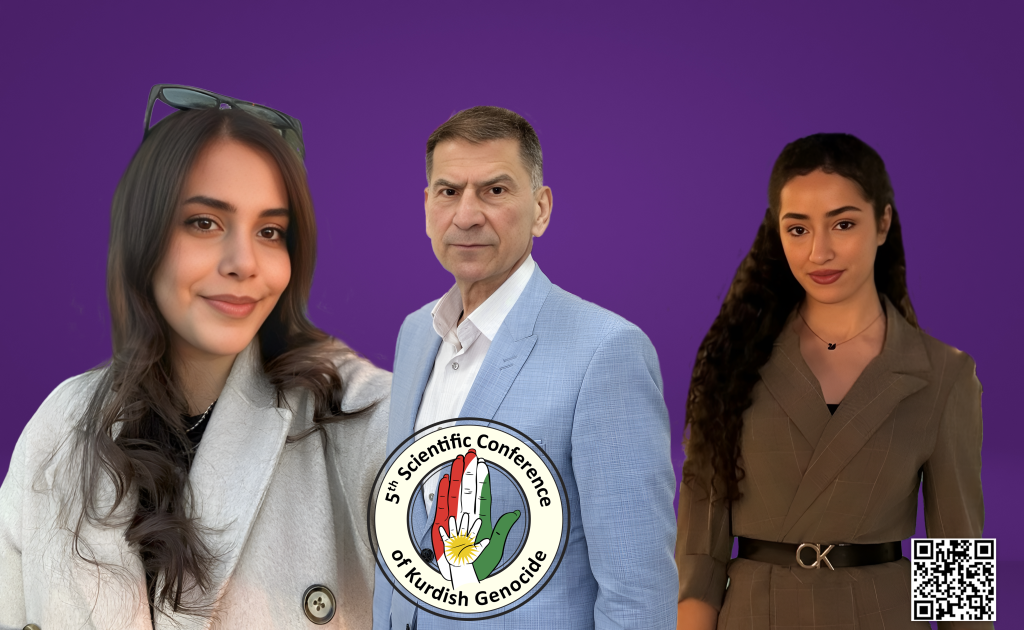
Abstract
This study examines the lived experiences of sole survivors from the 1988 Anfal Campaign against the Kurdish people in Iraq, focusing on the interplay between trauma, memory, and resilience in post-genocide recovery. Through qualitative analysis of survivor narratives, this research explores how individuals who lost entire families or communities during the most intensive phase of the Anfal operations have navigated decades of psychological trauma while maintaining cultural memory and demonstrating remarkable resilience. The study reveals that sole survivors occupy a unique position as both carriers of traumatic memory and agents of cultural preservation, challenging conventional understandings of post-genocide recovery. Drawing on trauma theory, memory studies, and resilience frameworks, this paper argues that the experiences of Anfal sole survivors illuminate the complex processes through which individuals and communities reconstruct meaning, identity, and hope in the aftermath of systematic violence. The findings contribute to broader theoretical discussions about genocide survival and have practical implications for trauma intervention and community healing programs.
Keywords: Anfal Campaign, Kurdish genocide, sole survivors, trauma, memory, resilience, post-genocide recovery. Full Text Research
Passionate about medicine and always eager to see how what I learn works in real life, interested in research and gaining hands-on experience, i believe growth takes patience, effort and reflection and I aim to build a future grounded in meaningful work.
Passionate about medicine and dedicated to helping others. I often step out of my comfort zone to grow, deeply committed to continuous self-improvement and excellence in my future medical career.


