
Abstract
Background and objectives: Mass killings in Iraqi Kurdistan have left families of victims found in mass grave in Sorya, Duhok, living with ambiguous loss while engaging in testimony and forensic exhumations. Testimony affirms dignity yet can reopen wounds; formal, culturally congruent mental health care remains limited and stigmatized. This study explored how families experience the interplay of testimony, forensic procedures, cultural practices, and support systems, and identified pathways to healing and justice to inform rights‑based, long‑term responses.
Methods: Using hermeneutic phenomenology (Van Manen, 1990), we conducted semi‑structured interviews with 10 relatives of mass‑grave victims (7 men, 3 women; ages 37–71) found in Sorya, Duhok Governorate, Kurdistan Region. Interviews (80–95 minutes) were conducted from July to August 2025. Data analysis was carried out following Van Manen’s six activities.
Results: Five themes emerged: (1) Testimony as a double‑edged sword; (2) Navigating grief and trauma; (3) Experiences with forensic exhumation; (4) Access to psychological support; and (5) Pathways toward healing and justice.
Conclusion: Healing requires coupling truth‑telling and forensic rigor with culturally anchored, stigma‑sensitive, long‑term mental health and psychosocial support, co‑designed with families. Practical implications include psychosocially accompanied testimony, transparent family‑liaison practices, participatory memorialization and reburial, and reparations that translate recognition into education, livelihoods, and ongoing care.
Keywords: mass graves; ambiguous loss; testimony; humanitarian forensics; Sorya village, Iraqi Kurdistan; intergenerational trauma.
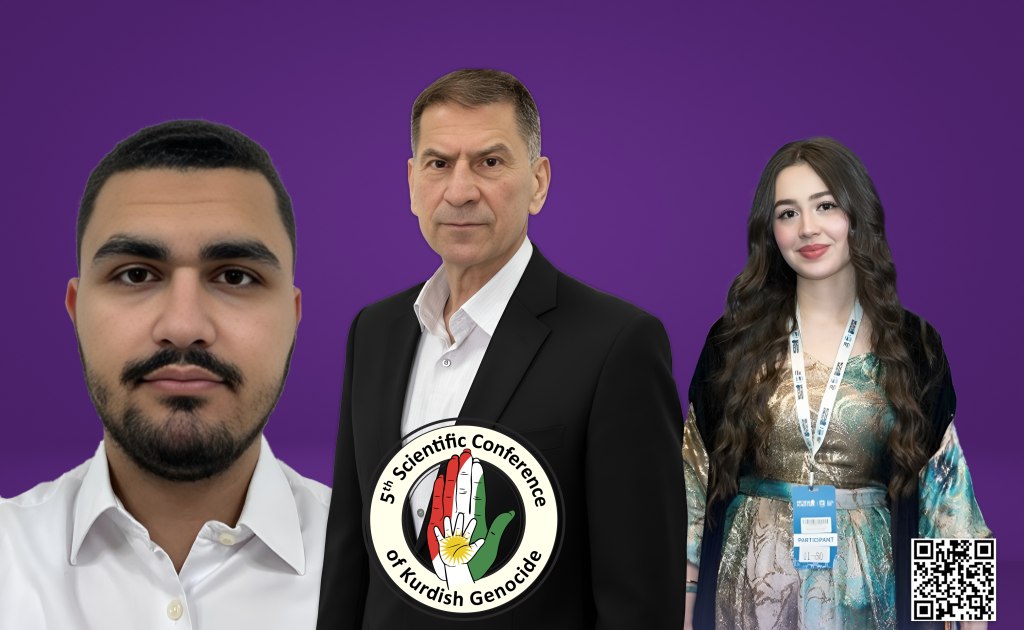
a 4th year medical student at UKH with a growing interest in medical research and clinical practice. He is dedicated to expanding his knowledge and contributing to the advancement of healthcare in Kurdistan
Medical student with a strong interest in learning by doing. I aim to use what I study to support patients and provide them with safe, comfortable care. I hope to gain hands-on experience, improve my skills, and grow as a compassionate future doctor.


