
Abstract
Background and objectives: The memory of chemical bombardment of Halabja in 1988 was a turning point in the Kurdish collective memory, but the commemoration of this atrocity changed over time in terms of how it is narrated, silenced, ritualized, and politicized. This study examines how Halabja is remembered in personal testimonies and family narratives; how silences, artifacts, and everyday routines shape knowledge transmission; how commemorations, artistic forms, and religious practices anchor collective memory; and how these processes influence Kurdish identity, belonging, and claims to justice across generations.
Methods: Using a hermeneutic phenomenological approach (Van Manen, 1990), we conducted semi-structured interviews with 12 participants (8 men, 4 women; ages 32–76) residing in the Kurdistan Region of Iraq who survived the attack or are relatives of those killed. Required data were collected by conducting interviews (70–90 minutes) with the participants from June to August 2025. Data analysis followed Van Manen’s six steps, with phenomenological thematic analysis to identify essential themes.
Results: Data analysis led to the emergence of five themes: 1) Personal narratives of survival, 2) Transmission of memory across generations, 3) Collective and cultural memory practices, 4) Identity, belonging, and the legacy of violence, and 5) Intergenerational differences in understanding the atrocity.
Conclusion: Halabja’s memory endures through embodied recollection, curated silence, and communal ritual that together shape Kurdish identities and justice claims. The results contribute to cultural trauma and post-memory theory through a foreground of how remembrance is embodied and learned through, within, and at home. Among implications are culturally based education/commemoration design, survivor-informed health/social policy, and efforts that support intergenerational dialogue aimed at recognition, resilience, and civic responsibility.
Keywords: Halabja, Kurdish memory; cultural trauma; intergenerational transmission; hermeneutic phenomenology; survivor testimony.
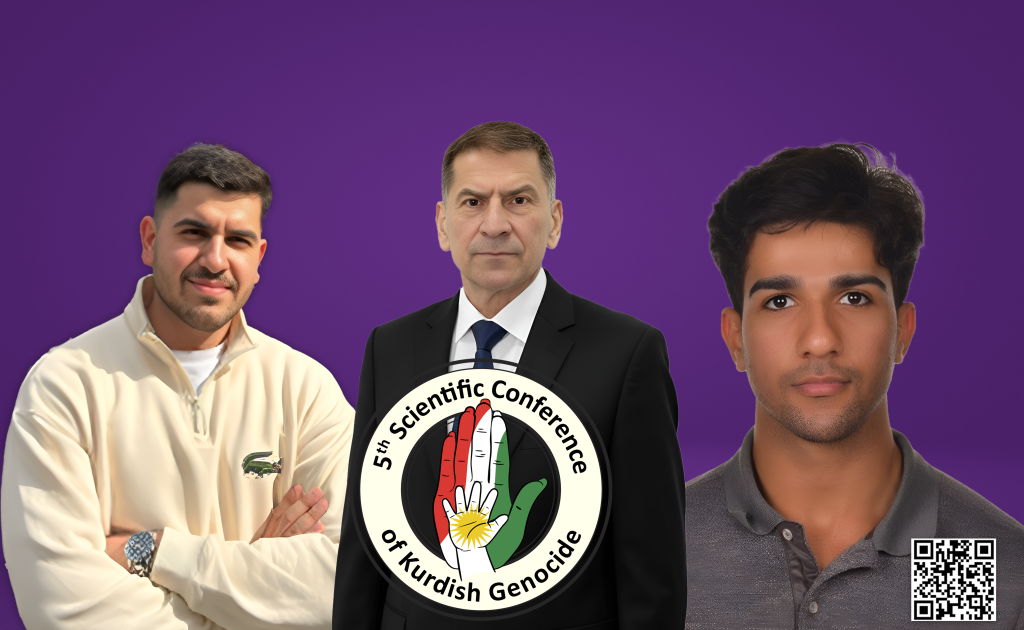
A passionate fourth-year medical student who loves to learn, grow, and achieve in all areas of life. Deeply fascinated by the science of medicine, especially human anatomy.
4th-year medical student and dedicated student representative. Passionate about continuous learning and actively seeks opportunities to enhance his leadership skills. Committed to academic excellence and student advocacy.


